March 7, 2026 · 4 min read
What Are the Most Common Causes of Falls — and Can They Be Prevented?
Falls aren't random. They have causes — and most of those causes are fixable. Here's what to know and what to do about it.
Falls are the number one cause of injury-related hospitalisation for Canadians over 65. About one in three people in that age group will fall this year. And once someone falls, their chance of falling again doubles [1, 2].
But here's what most people don't realise: falls aren't random bad luck. They have specific, identifiable causes — and most of them can be addressed.
The main culprits
Muscle weakness. This is the biggest one. As we age, we naturally lose muscle mass — a condition called sarcopenia. Weaker legs mean less ability to catch yourself when you stumble. The good news: strength training at any age can reverse this. A major review of 108 studies found that exercise programs combining balance and strength work reduced falls by 34% [3].
Medications. If your parent takes four or more medications, their fall risk increases by 75% [4]. Specific culprits include blood pressure pills (which can cause dizziness when standing), sleeping tablets, some antidepressants, and strong painkillers. A medication review with their GP or pharmacist can identify which ones are adding risk.
Blood pressure drops. Called orthostatic hypotension — that dizzy feeling when you stand up too quickly. It affects up to 40% of older adults living at home and significantly increases fall risk [5]. Simple strategies like standing up slowly, staying hydrated, and reviewing blood pressure medications can help.
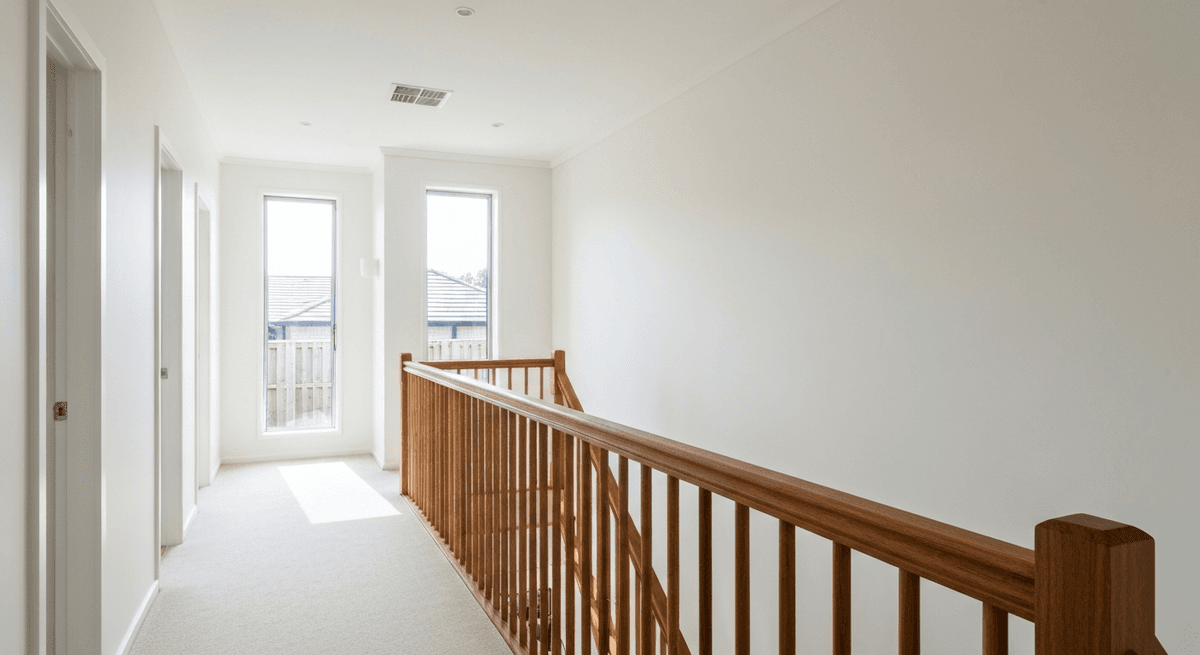
Poor lighting and home hazards. About half of all falls happen at home [2]. Loose rugs, cluttered hallways, poor bathroom lighting, and missing handrails are fixable problems. A home safety assessment — often available through local health services — can identify these in under an hour.
Vision changes. Bifocals and progressive lenses can distort the ground when looking down. Regular eye exams and considering single-vision glasses for walking can make a real difference.
Low vitamin D. For people who are deficient, supplementation can reduce fall risk by about 23% [6]. Worth checking with a simple blood test.
The cascade effect
What makes falls particularly concerning is the cascade they can trigger. A fall leads to fear of falling, which leads to reduced activity, which leads to further muscle weakness, which leads to another fall. Breaking that cycle early is key.
Where Harmoni fits in
One of the challenges with fall prevention is that the warning signs are gradual. Your parent doesn't wake up one morning suddenly unsteady — it happens over weeks. Daily step count slowly drops. Activity patterns shift. Sleep becomes disrupted.
Harmoni tracks these trends through your parent's Apple Watch and highlights when something's changing — before a fall happens. If their daily movement has been declining for two weeks, their care circle gets a gentle nudge. It's not about reacting to falls. It's about spotting the patterns that lead to them.
References
1. Yao X, et al. Health Promotion and Chronic Disease Prevention in Canada. 2024;44(11/12):482–487.
2. Public Health Agency of Canada. Surveillance Report on Falls Among Older Adults in Canada. 2022.
3. Sherrington C, et al. Cochrane Database of Systematic Reviews. 2019;1:CD012424.
4. Seppala LJ, et al. Journal of the American Medical Directors Association. 2018;19(4):372.e1–e8.
5. Mol A, et al. Journal of the American Medical Directors Association. 2019;20(5):589–597.
6. Thanapluetiwong S, et al. BMC Geriatrics. 2020;20:289.
This article is for informational purposes only and does not constitute medical advice. Please consult your healthcare provider with any health concerns.
Wondering if Harmoni could help your family?
We are enrolling Alberta families in a free pilot. Leave your name and email and we will be in touch.
Join the Alberta pilotDr. Sundeep Varma
Family medicine physician and founder of Harmoni.